Dressing Outside the Script: Androgynous Fashion
A love letter to androgyny and the parts of us that won't fit in just one box

Clothes have always meant freedom to me. Freedom, self-expression, and opportunity.
As a wild and reckless young girl growing up with older brothers in an unapologetically sexist world, I felt constrained-not only by what I was expected to wear, but by what I was allowed to be. Clothing became the most visible symbol of that restriction. The rules around dresses and skirts weren’t just about fabric or modesty; they were about behavior, posture, and acceptable ambition. The clothes prescribed to me were often uncomfortable, restrictive, and impractical for the way I wanted to move through the world-and for the kind of person I felt myself becoming.
They limited me during recess, during long explorations in the woods after school, during the kind of play that demanded speed, strength, and scraped knees. More than that, they didn’t reflect who I was. They suggested a version of me that felt smaller, quieter, and more careful than the one I knew myself to be.
I began borrowing my brother’s clothes partly for comfort, but also to open doors. When I dressed in ways that allowed me to move freely, I was allowed to roughhouse, to scrimmage, to be included. Clothing didn’t just determine comfort; It determined access, permission, and possibility.
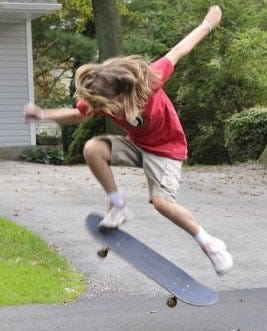
At formal events, I watched my male cousins tear off their ties and sprint away, carefree, while I stood still in a small dress that demanded vigilance, careful posture, careful steps, and constant awareness of exposure. I wasn’t just restricted from movement; I was restricted from participation. I dreaded occasions that required me to dress “girly,” because they also required me to perform a version of myself that felt imposed rather than chosen. I often melted down when forced into that role. In many places then, and still in many places now, girls were required to wear skirts or dresses. Clothing wasn’t neutral. It enforced identity.
It wasn’t until high school that I began wearing more traditionally feminine clothing, partly due to social pressure, but also as a genuine exploration of my own femininity. I learned to appreciate being a girl, not as a consolation prize for not being born a boy, but as its own experience with its own strengths. I found beauty in the intimacy of female friendships, in emotional depth, in the range of expression that fashion allowed women in ways it rarely allowed men.
What struck me most was not the difference between masculine and feminine expression, but the space between them-the realization that I did not have to trade freedom for femininity, or strength for softness.
To this day, I move fluidly between silhouettes, textures, patterns, and attitudes. I don’t just admire androgynous fashion-I live in it. I embrace both my masculine and feminine sides and resist the pressure to collapse myself into a single, legible identity.
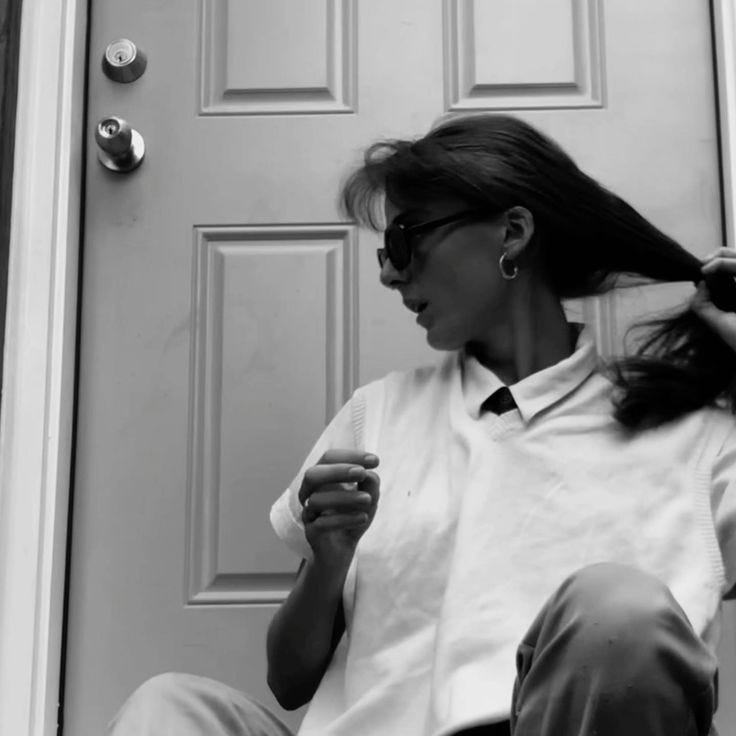
What I wear affects how I inhabit a room and how the world responds to me. When I go to the skatepark, I wear baggier, more masculine clothing-not as a costume, but because it allows me to fall, to try, to fail without self-consciousness. I also feel safer when I am more covered. I receive fewer catcalls, fewer stares, fewer encounters that carry an edge of threat. Sometimes, choosing concealment is not about rejecting femininity, but about protecting myself in a world that still reads women’s bodies as invitations.
Other days, I feel deeply feminine. I love wearing a dress that accentuates my body, taking time with makeup, adding sparkles, curling my hair. That expression feels just as true as my skater uniform. I am not one or the other. I am a woman whose identity shifts with context, mood, and moment-often within the same day.
Androgyny, for me, is not an aesthetic trend. It is a way of existing. It is not calculated but extremely natural.
It allows for fluidity without apology. It offers a blank canvas onto which energy, posture, tone, and intention can be projected. Where some clothing feels binding -by structure or by social expectation-androgynous fashion feels expansive. It lets me move through the day without constant negotiation over how I am being perceived.
Some days I want boundaries. Some days I lean clearly masculine or feminine. But more often, I want the freedom to shift-to meet the complexity of the day with an equally complex version of myself.
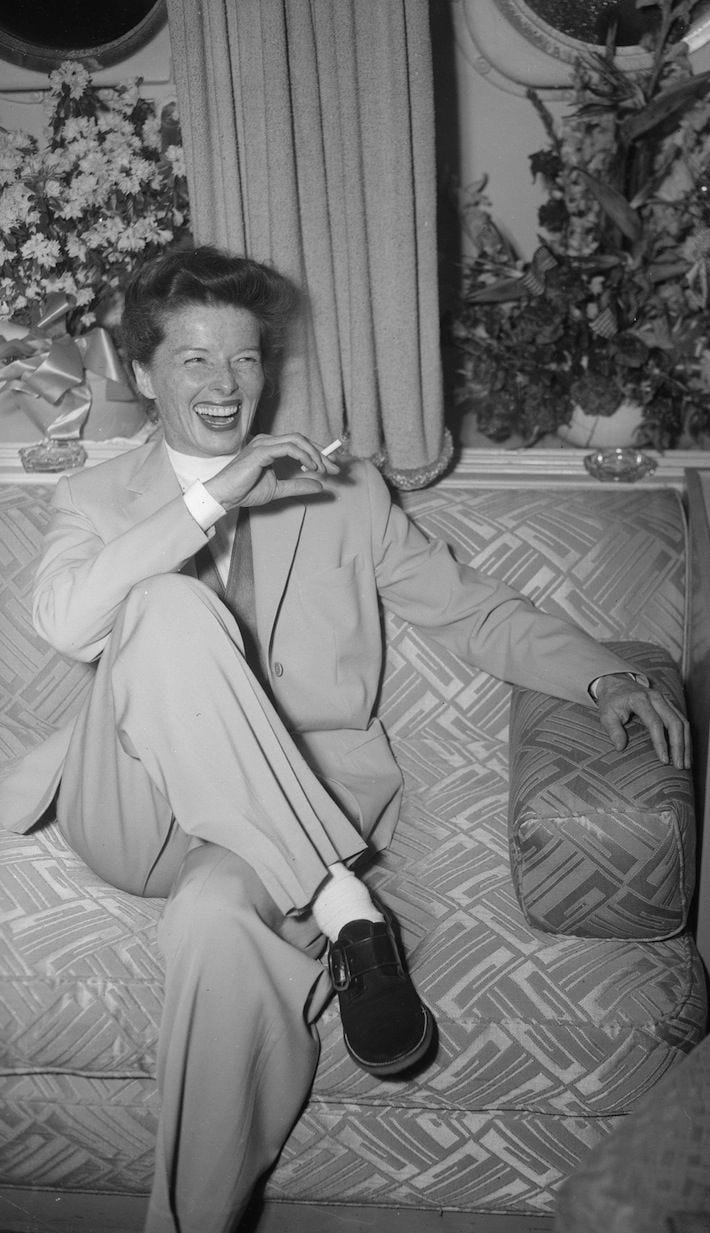
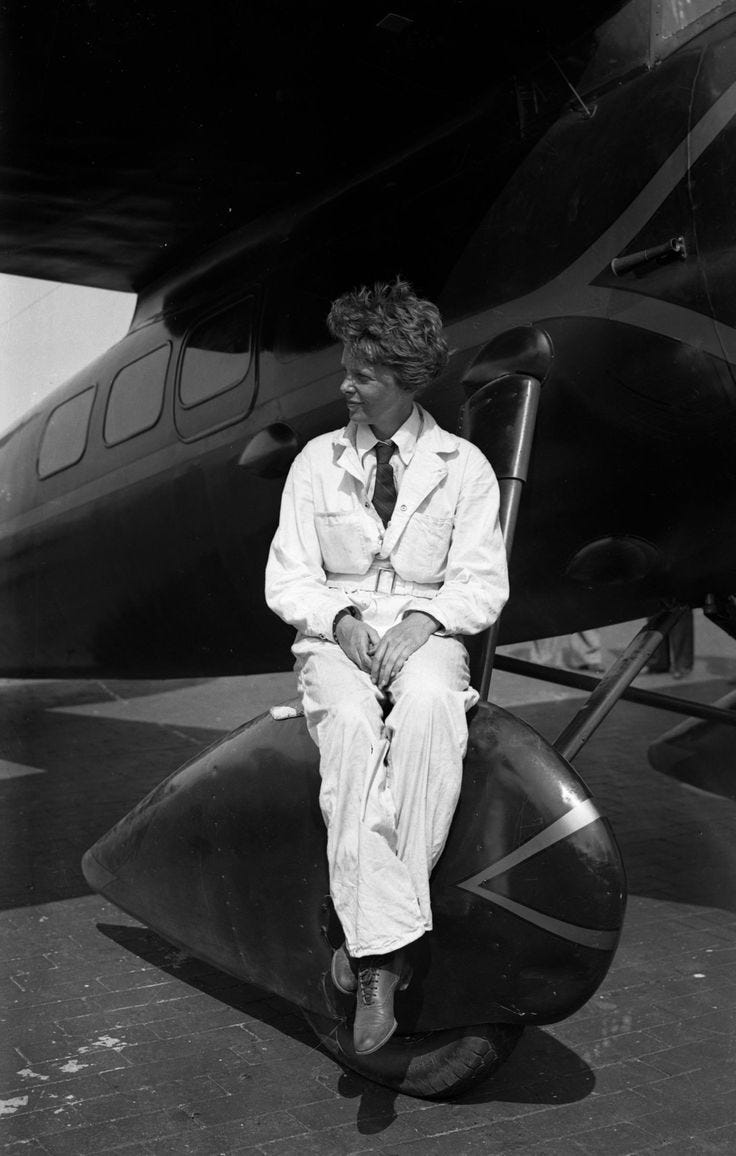
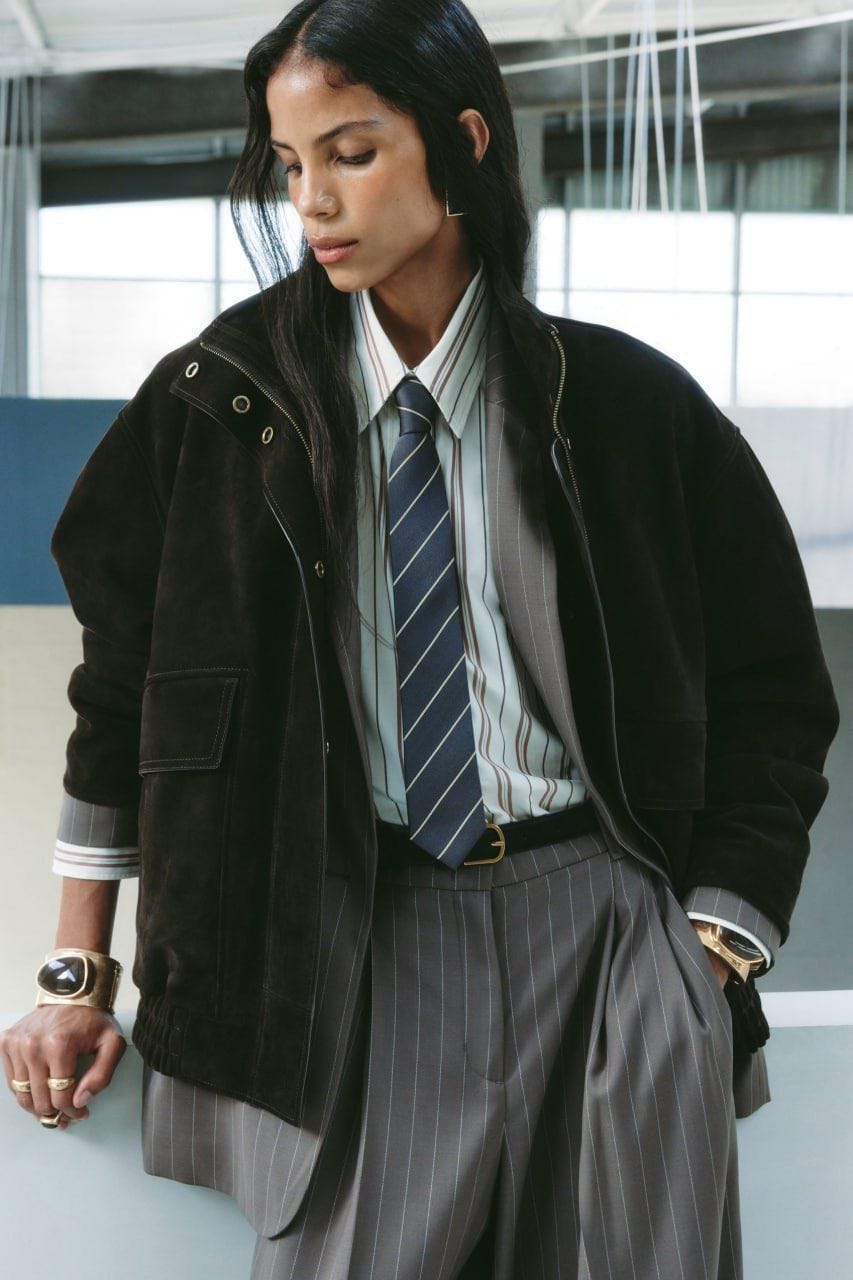
My wardrobe reflects that. It is designed to accommodate multiple gendered expressions without requiring me to renounce my identity as a woman. I live minimally, but I refuse to reduce myself for the sake of coherence. I love the tension in an outfit-men’s trousers paired with a fitted top, a woman’s suit worn with a necktie-the visible dialogue between softness and structure, strength and delicacy.
Clothing, at its best, doesn’t resolve identity. It holds it.
And in a world that insists on binaries-masculine or feminine, strong or soft, visible or safe-androgynous fashion offers something quieter but more radical: the permission to be whole.
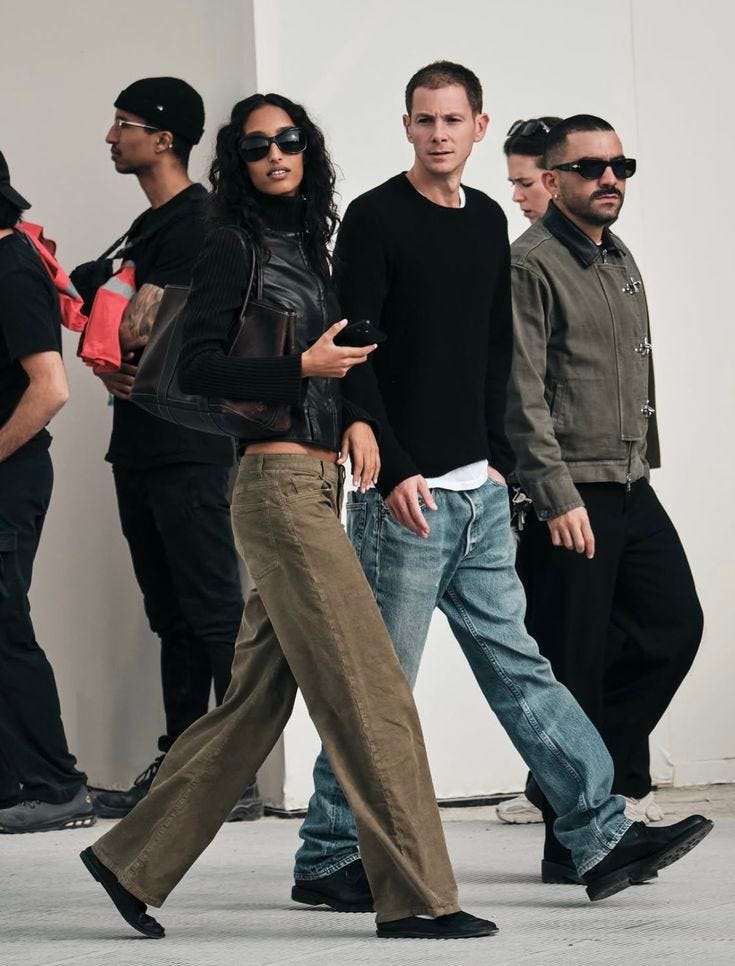
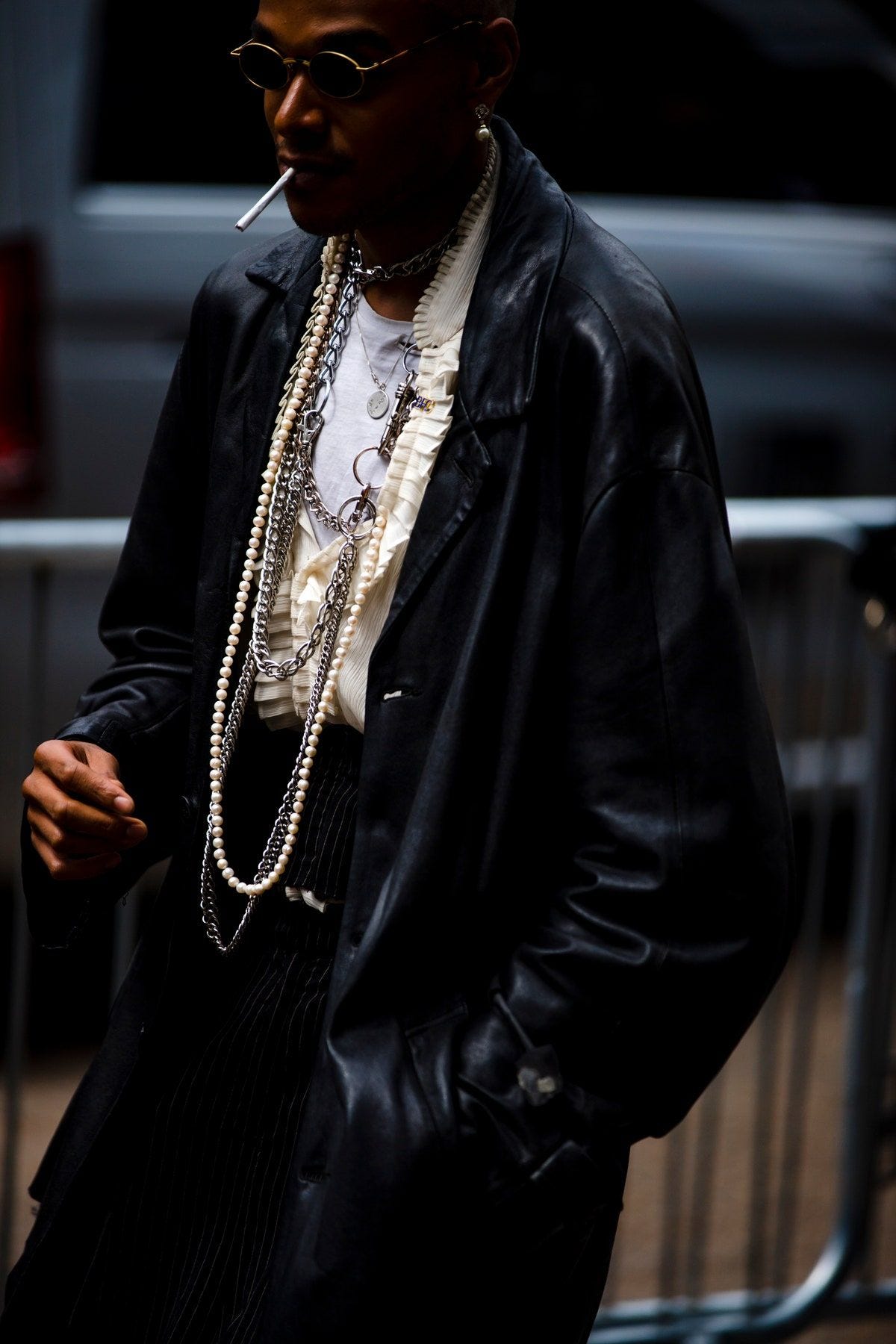
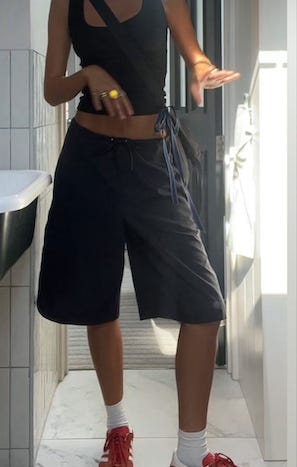
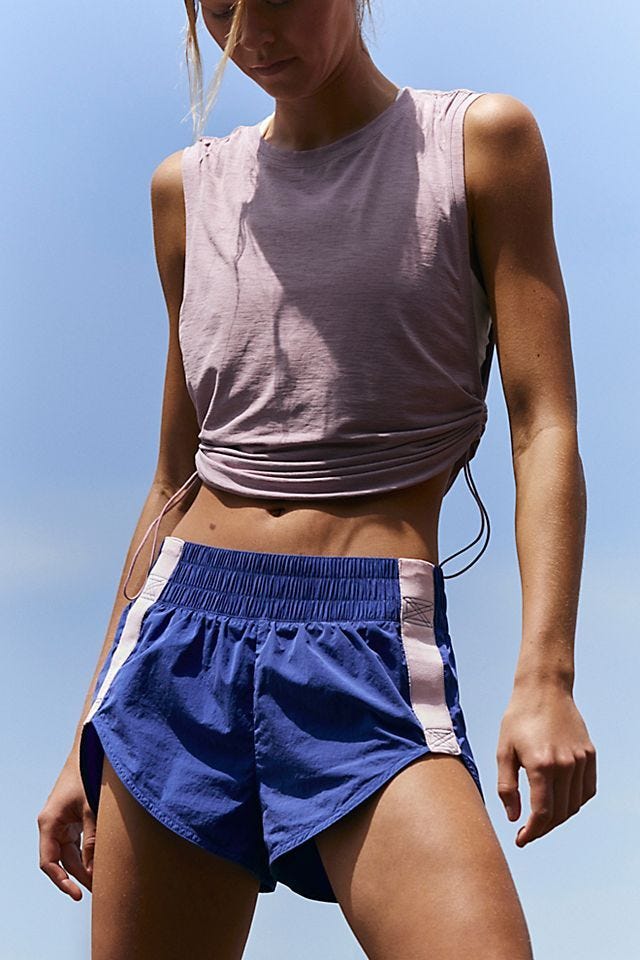
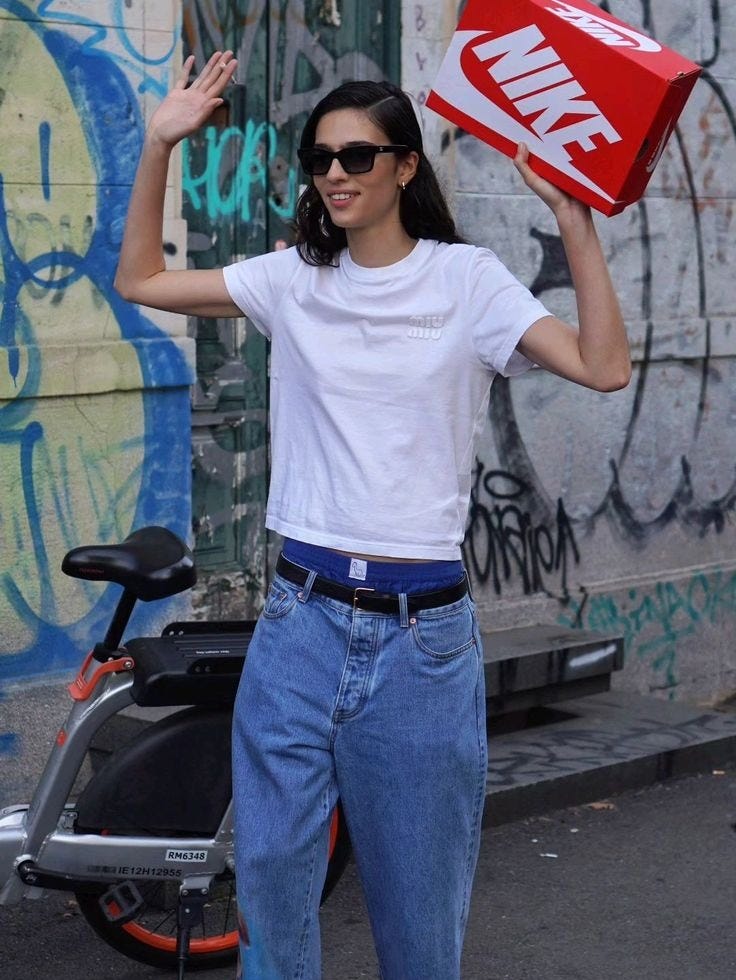
Below are some of my favorite styles from History/Pinterest:
I loved reading this!!! Thank you so much! You are tres chic!!